Speak with Darren for advice before you sign

Buying Property
in Tasmania?

Avoid the Expensive Mistakes Most Buyers Make

Tasmanian contracts work differently. One overlooked clause or skipped inspection can cost tens of thousands of dollars.

Our CEO
Our CEO

Why Buying in Tasmania Is Different

Why Buying in Tasmania Is Different

Buying a home in Tasmania can be exciting — but it’s also one of the biggest financial decisions you’ll ever make. What many buyers don’t realise is that property contracts here contain key differences from those in other states, and skipping even one step in your due diligence can cost you dearly.

At the heart of every Tasmanian property purchase lies the defect clause — a contractual condition that can limit your ability to renegotiate or walk away after a building inspection.

Understanding this clause, and ensuring your inspection is handled professionally, could save you tens of thousands of dollars.

Why Skipping a Building Inspection Is a Costly Gamble

Skipping inspections to save time or money

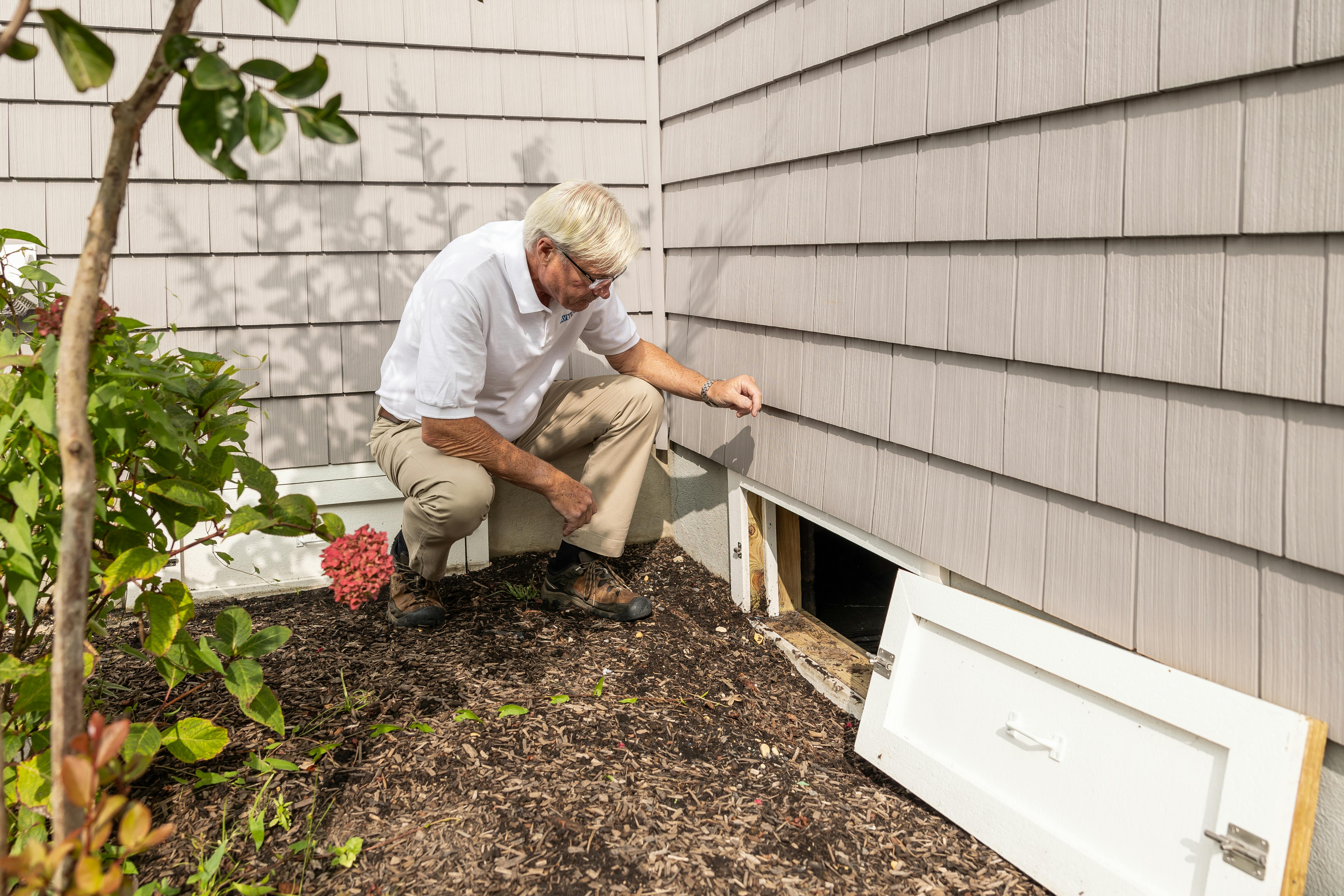
In a competitive market, some buyers skip professional inspections to save time or money. It’s a dangerous shortcut. Without a formal pre-purchase inspection carried out under Australian Standard AS 4349.1, buyers are effectively gambling with their financial future.

Why a buyer walkthrough is not enough

Hidden defects often appear after settlement

The real cost of undiscovered defects
Skipping inspections to save time or money

In a competitive market, some buyers skip professional inspections to save time or money. It’s a dangerous shortcut. Without a formal pre-purchase inspection carried out under Australian Standard AS 4349.1, buyers are effectively gambling with their financial future.

Why a buyer walkthrough is not enough

Hidden defects often appear after settlement

The real cost of undiscovered defects

Skipping inspections to save time or money

In a competitive market, some buyers skip professional inspections to save time or money. It’s a dangerous shortcut. Without a formal pre-purchase inspection carried out under Australian Standard AS 4349.1, buyers are effectively gambling with their financial future.

Why a buyer walkthrough is not enough

Hidden defects often appear after settlement

The real cost of undiscovered defects

What an AS 4349.1 Inspection Covers — and Why It Protects You

Providing top-notch solutions tailored to enhance your business growth and efficiency.

Providing top-notch solutions tailored to enhance your business growth and efficiency.

Providing top-notch solutions tailored to enhance your business growth and efficiency.

What AS 4349.1 Actually Means

The national standard that defines how professional pre-purchase building inspections must be carried out.

What AS 4349.1 Actually Means

The national standard that defines how professional pre-purchase building inspections must be carried out.

What AS 4349.1 Actually Means

The national standard that defines how professional pre-purchase building inspections must be carried out.

Defects Identified Under the Standard

Inspection findings are classified to show which issues pose the greatest risk.

Defects Identified Under the Standard

Inspection findings are classified to show which issues pose the greatest risk.

Defects Identified Under the Standard

Inspection findings are classified to show which issues pose the greatest risk.

How the Report Protects You Legally

A compliant inspection report gives buyers documented leverage under the contract.

How the Report Protects You Legally

A compliant inspection report gives buyers documented leverage under the contract.

How the Report Protects You Legally

A compliant inspection report gives buyers documented leverage under the contract.

Hidden Hazards That Cost Buyers the Most

Hidden Hazards That Cost Buyers the Most

Electrical Safety – Fire Risks You Can’t See

Electrical Safety – Fire Risks You Can’t See

Electrical Safety – Fire Risks You Can’t See

Structural Stability & Envelope Failures

Structural Stability & Envelope Failures

Structural Stability & Envelope Failures

Plumbing & Drainage – Water Damage Never Stays Isolated

Plumbing & Drainage – Water Damage Never Stays Isolated
Plumbing & Drainage – Water Damage Never Stays Isolated

Our CEO
Our CEO
Our CEO
Public garden
Public garden
Public garden

Hidden Defects Can Become Legal and Insurance Problems

A professional inspection can also uncover unapproved renovations or illegal building works — such as garage conversions or unregistered extensions.


Without permits, you may inherit code violations that void insurance coverage or trigger compliance notices from council. Enforcement can require costly remediation or even demolition.

Worse still, skipping the inspection removes your negotiation leverage.A formal inspection report, written under AS 4349.1, is legal documentation. It gives you the right to renegotiate price, request repairs, or lawfully exit the contract if the inspection clause allows.Without it, the property — and every hidden defect — becomes your sole responsibility.

Protecting Your Position: Defect Limits and Independent Inspections

Understanding Tasmania’s Defect Clause and Limits

Most Tasmanian property contracts include a defect limit clause, which defines how much in defects a buyer must accept before they can renegotiate the purchase price or withdraw from the contract.

While limits were once commonly capped at 1%, many contracts now specify 1–5%, and sometimes higher. Higher limits significantly reduce buyer protection.

Professional guidance:
Always negotiate a 1% defect limit or a fixed monetary cap, such as $10,000. Anything higher transfers risk back onto the buyer.

Some agents attempt to pre-fill this section. Buyers should always review and negotiate this figure carefully, as it has major financial implications.

Understanding Tasmania’s Defect Clause and Limits

Most Tasmanian property contracts include a defect limit clause, which defines how much in defects a buyer must accept before they can renegotiate the purchase price or withdraw from the contract.

While limits were once commonly capped at 1%, many contracts now specify 1–5%, and sometimes higher. Higher limits significantly reduce buyer protection.

Professional guidance:
Always negotiate a 1% defect limit or a fixed monetary cap, such as $10,000. Anything higher transfers risk back onto the buyer.

Some agents attempt to pre-fill this section. Buyers should always review and negotiate this figure carefully, as it has major financial implications.

Understanding Tasmania’s Defect Clause and Limits

Most Tasmanian property contracts include a defect limit clause, which defines how much in defects a buyer must accept before they can renegotiate the purchase price or withdraw from the contract.

While limits were once commonly capped at 1%, many contracts now specify 1–5%, and sometimes higher. Higher limits significantly reduce buyer protection.

Professional guidance:
Always negotiate a 1% defect limit or a fixed monetary cap, such as $10,000. Anything higher transfers risk back onto the buyer.

Some agents attempt to pre-fill this section. Buyers should always review and negotiate this figure carefully, as it has major financial implications.

Why Choosing an Independent Inspector Matters

You are free to choose your own inspector.
Never feel pressured to use an inspector recommended by the seller or agent — independence ensures unbiased advice.

Choose an inspector who:

  • Carries Professional Indemnity insurance

  • Delivers detailed photographic reports, not checklist summaries

These safeguards give your report greater authority if you need to negotiate or defend your position in a legal dispute.

Why Choosing an Independent Inspector Matters

You are free to choose your own inspector.
Never feel pressured to use an inspector recommended by the seller or agent — independence ensures unbiased advice.

Choose an inspector who:

  • Carries Professional Indemnity insurance

  • Delivers detailed photographic reports, not checklist summaries

These safeguards give your report greater authority if you need to negotiate or defend your position in a legal dispute.

Need a property
inspected fast?

Timing Matters More Than Most Buyers Realise

Book your inspection as early as possible — ideally before signing, or immediately afterwards.
Tasmania’s three-day cooling-off period can only help you if your inspection results arrive in time to act.


Engage a qualified conveyancer or property lawyer to review your contract for protective clauses, confirm title accuracy, and ensure timeframes for inspection and finance are clearly defined.

Once contracts are exchanged, Tasmanian law places property ownership risk on the buyer, not the seller.That means you must arrange building insurance immediately after signing — not at settlement — to cover potential damage or vandalism before you move in.

Smart Buyer Checklist

Request an independent, AS 4349.1-compliant building inspection

Keep your defect limit at 1% or less

Allow at least 14–21 calendar days for inspection (extend during holidays)

Include a cooling-off period

Obtain legal and insurance advice early

Information Is Your Safest Investment

Information Is Your Safest Investment

Buying property without an inspection is like driving blindfolded — you might arrive safely, but only by luck.
For a fraction of the potential cost of undiscovered defects, a professional inspection gives you control, confidence, and documentation to back every decision.

Informed buyers don’t gamble — they negotiate, protect, and invest wisely.

Buying property without an inspection is like driving blindfolded — you might arrive safely, but only by luck.For a fraction of the potential cost of undiscovered defects, a professional inspection gives you control, confidence, and documentation to back every decision.Informed buyers don’t gamble — they negotiate, protect, and invest wisely.